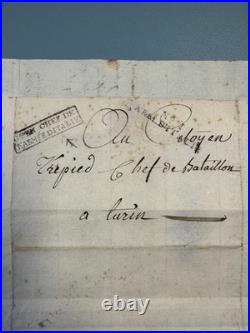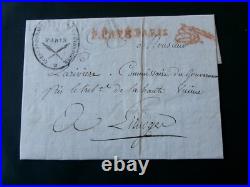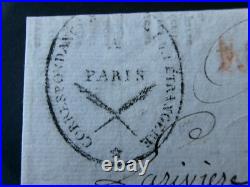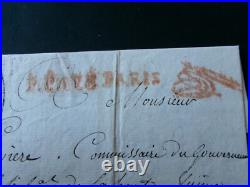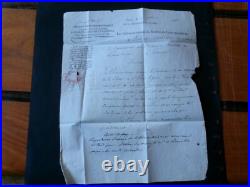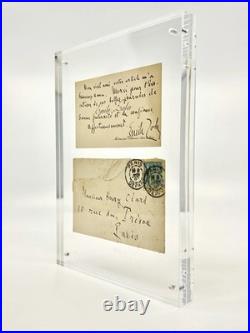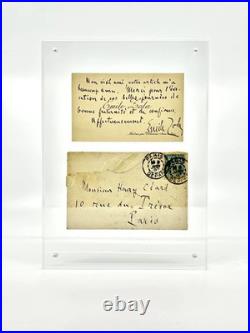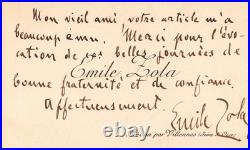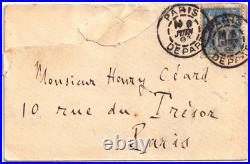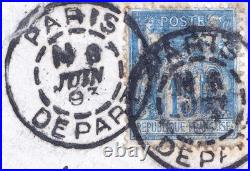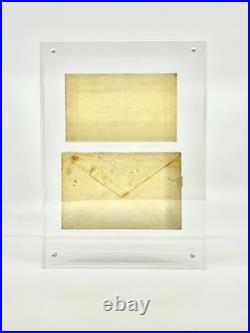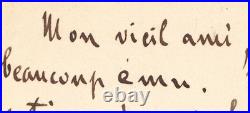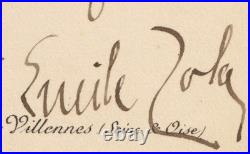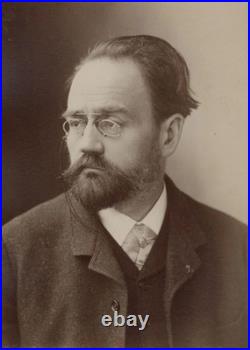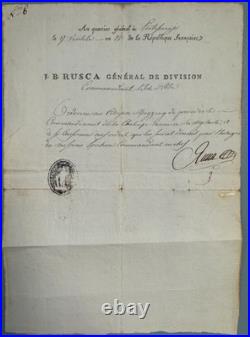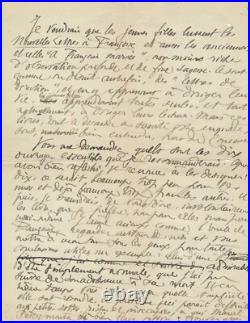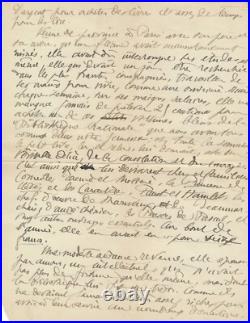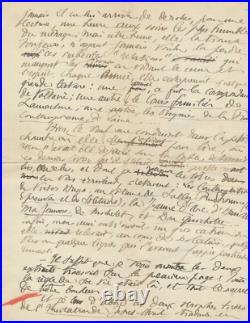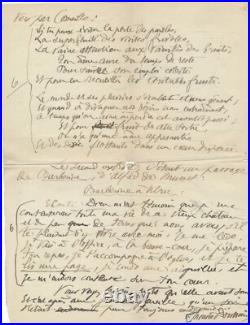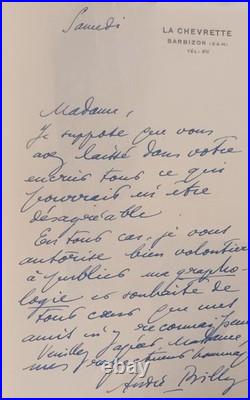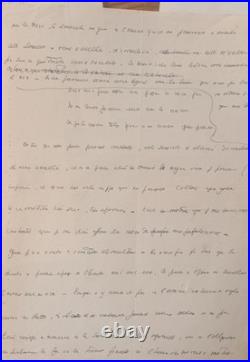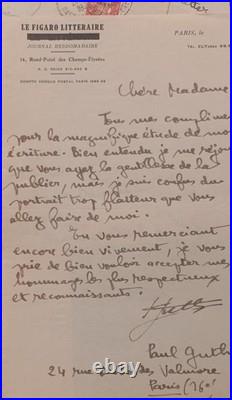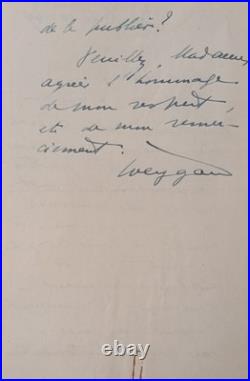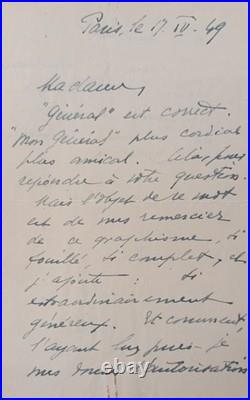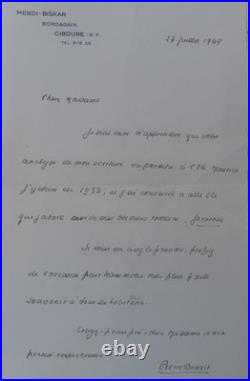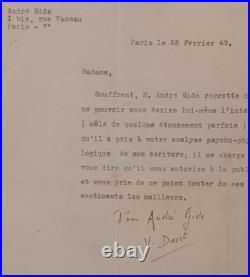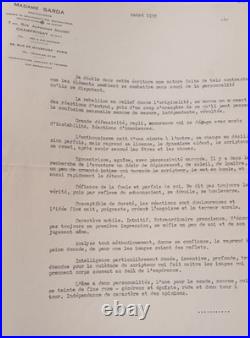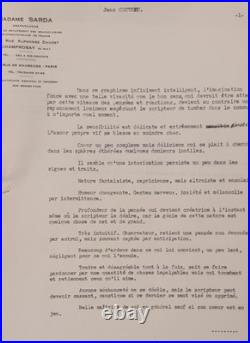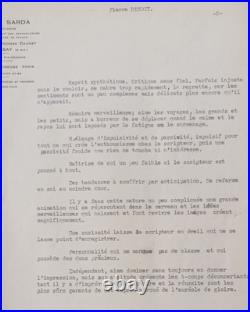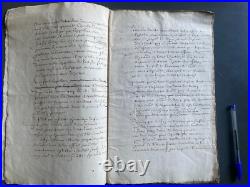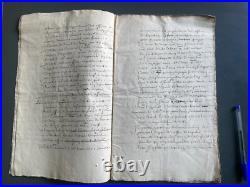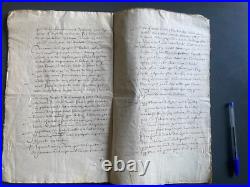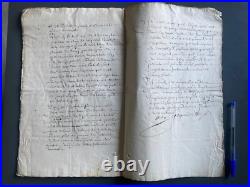
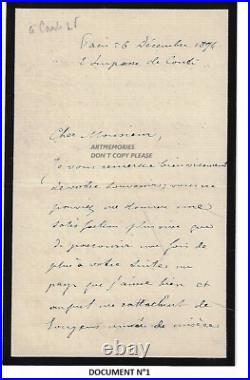
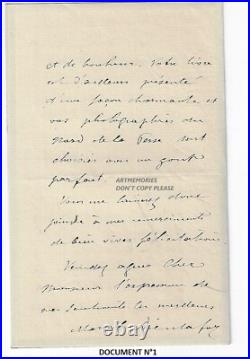
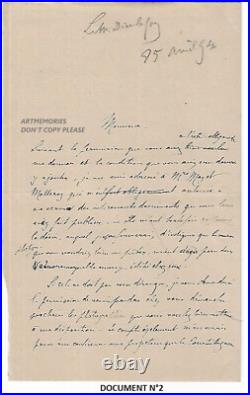
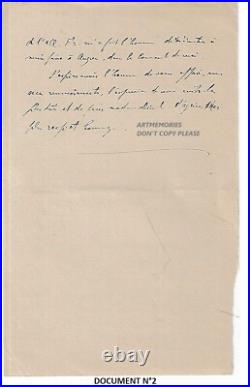

2 DOCUMENTS (LETTRES) MANUSCRITS envoyés par » DIEULAFOY MARCEL « . Lettre manuscrite écrite à Paris par. À Paris en 1894 à propos de photographies du Shah? De Perse pour un livre. / handwritten letter written in Paris by. In 1894 about photographs of persian Shah? For a book – Lettre in folio 1 feuillet (4 pages) / The letter in folio is in 1 sheet (4 pages). La lettre mesure. / the letter do : 17.5 11.1 cm. Lettre manuscrite écrite par. À Paris en 1894. / handwritten letter written by the »’. La lettre est écrite recto verso / the letter is written on both side. / the letter do 17.6 11 cm. VOIR SVP MES AUTRES DOCUMENTS MANUSCRITS DE PERSONNALITES QUE JE VENDS. LEASE SEE MY OTHER HANDWRITTEN DOCUMENTS OF PERSONALITIES THAT I SELL. Et mort à Paris. Est un archéologue français. Il était l’époux de l’archéologue Jane Dieulafoy. Frère cadet de Paul Georges Dieulafoy. Marcel Dieulafoy est reçu à l’ École polytechnique. En 1863, puis devient ingénieur des ponts et chaussées. En 1868, il est affecté à son premier poste à Aumale aujourd’hui Sour El-Ghozlane. C’est à cette occasion qu’il découvre l’Orient et les antiquités, deux orientations qui seront déterminantes dans sa carrière. En 1870, il se marie avec Jane Magre, née le. Qui sera connue sous son nom d’usage de Jane Dieulafoy. Et vécut sous l’apparence (coiffure et vêtements) d’un homme ; elle devient archéologue à ses côtés et l’accompagne dans ses voyages. Marcel Dieulafoy s’intéresse de plus en plus à l’archéologie et commence à fréquenter Viollet-le-Duc. Un peu plus tard la même année, il quitte son poste et demande à être affecté en Perse. Sur la route de Téhéran. Puis mène une expédition à Suse. Où il voit les traces du palais exploré par William Loftus. Cette brève visite à Suse impressionne beaucoup Dieulafoy, qui retourne en France et exprime le souhait de continuer les fouilles. Il obtient une modeste somme auprès du département des Antiquités orientales du Louvre. Qui vient juste d’être créé, et du ministère de l’Instruction publique. Les Dieulafoy retournent en Perse en 1884, accompagnés par un jeune ingénieur, Charles Babin. Et par le naturaliste Frédéric Houssay. Ils obtiennent du gouvernement persan l’autorisation de fouiller le site de Suse grâce à une intervention de François Tholozan, qui est alors un des médecins de la cour qadjare. La fouille est autorisée à condition que la tombe du prophète Daniel. Qui restait un lieu de pèlerinage, ne soit pas touchée par les travaux. De plus, un accord est passé pour partager les trouvailles entre les gouvernements français et persan : les pièces découvertes sont partagées à parts égales, à l’exception des métaux précieux, qui doivent tous être remis aux autorités persanes. Les travaux de fouille ont lieu pendant les hivers 1885 et 1886, et l’objectif de Dieulafoy est alors de terminer l’excavation de l’ Apadana. Les fouilles sont menées dans des conditions difficiles : les chercheurs habitent sous des tentes, exposés à des tempêtes et aux attaques de brigands dans une région où le gouvernement central dispose de peu de pouvoir. L’expédition Dieulafoy réussit tout de même à envoyer de nombreuses découvertes au musée du Louvre. Après la publication des résultats de sa mission, Dieulafoy a pratiquement cessé de s’intéresser à la Perse. Il prend un poste dans l’administration des chemins de fer français et se lance dans les études bibliques. Il est élu membre de l’ Académie des inscriptions et belles-lettres. En 1895 et se concentre à partir de ce moment à la recherche sur l’histoire de l’architecture, notamment avec l’étude de château Gaillard. Il s’intéresse également à l’Espagne et au Portugal, particulièrement dans le domaine de la sculpture. Au début de la Première Guerre mondiale. Dieulafoy souhaite retourner servir son pays qui entre en guerre, malgré ses soixante-dix ans. Il est envoyé à Rabat. En tant que lieutenant-colonel du Génie, ce qui lui donne l’occasion d’organiser des fouilles sur le site de la grande mosquée du sultan Hassan dont il reste la tour Hassan. En 1919, veuf depuis trois ans, il envoie sa dernière publication à l’Académie, sur le sujet biblique de Daniel et Balthazar et meurt l’année suivante après une courte maladie. Le couple vivait 12 rue Chardin. , dans un hôtel particulier construit par l’architecte Joseph Vaudremer. Ami de Marcel Dieulafoy. Il est légué après leur mort à la Société de secours aux blessés militaires. L’Art antique de la Perse, 5 vols. Suse, journal des fouilles, Paris, 1888. L’Acropole de Suse : d’après les fouilles exécutées en 1884, 1885, 1886, sous les auspices du Musée du Louvre. Librairie Hachette, Paris 1890. 1-2 Getty Research Institute. 3-4 Getty Research Institute. David the King : a historical inquiry. Unwin, London 1902 University of California Libraries. (»Ars Una : Species Mille ; Histoire générale de l’art«) Hachette, Paris [1913] Internet Archive. Version allemande Geschichte der Kunst in Spanien und Portugal : Mit 745 Abbildungen und 4 Farbentafeln. Hoffmann, Stuttgart 1913 Internet Archive. Version anglais Art in Spain and Portugal. (»Ars Una : Species Mille ; General History of Arts«) C. Scribner’s sons, New York 1919. And died in Paris. Is a French archaeologist. He was the husband of archaeologist Jane Dieulafoy. Younger brother of Paul Georges Dieulafoy. Marcel Dieulafoy was accepted into the École Polytechnique. In 1863, then became a civil engineer. In 1868, he was assigned to his first post in Aumale today Sour El-Ghozlane. It was on this occasion that he discovered the Orient and antiquities, two orientations which would be decisive in his career. In 1870 he married Jane Magre, born on. Who would become known under her common name of Jane Dieulafoy. And lived under the appearance (hairstyle and clothing) of a man; she became an archaeologist at his side and accompanied him on his travels. Marcel Dieulafoy became increasingly interested in archaeology and began to frequent Viollet-le-Duc. A little later that same year, he left his post and asked to be posted to. On the road to Tehran. Then led an expedition to Susa. Where he saw traces of the palace explored by William Loftus. He obtained a modest sum from the Louvre. S Department of Oriental Antiquities, which had just been created, and from the Ministry of Public Instruction. And by the naturalist Frédéric Houssay. They obtained permission from the Persian government to excavate the site of Susa thanks to the intervention of François Tholozan, who was then one of the doctors of the Qajar court. The excavation was authorized on condition that the tomb of the prophet Daniel. Which remained a place of pilgrimage, was not touched by the work. In addition, an agreement was made to share the finds between the French and Persian governments: the pieces discovered were shared equally, with the exception of the precious metals, which were all to be handed over to the Persian authorities. The excavation work took place during the winters of 1885 and 1886, and Dieulafoy’s objective was then to complete the excavation of the Apadana. The excavations were conducted in difficult conditions: the researchers lived in tents, exposed to storms and attacks by bandits in a region where the central government had little power. The Dieulafoy expedition still managed to send many discoveries to the Louvre Museum. After the publication of the results of his mission, Dieulafoy virtually lost interest in Persia. He took a position in the French railway administration and began biblical studies. He was elected a member of the Académie des inscriptions et belles-lettres. In 1895 and from that time focused on research into the history of architecture, particularly with the study of Château Gaillard. He was also interested in Spain and Portugal, particularly in the field of sculpture. At the start of the First World War. Dieulafoy wanted to return to serve his country, which was entering the war, despite his seventy years. He was sent to Rabat. As a lieutenant-colonel of the Engineers, which gave him the opportunity to organize excavations on the site of the great mosque of Sultan Hassan of which the Hassan Tower. In 1919, widowed for three years, he sent his last publication to the Academy, on the biblical subject of Daniel and Belshazzar, and died the following year after a short illness. The couple lived at 12 rue Chardin. In a private mansion built by the architect Joseph Vaudremer. A friend of Marcel Dieulafoy. It was bequeathed after their death to the Society for Aid to the Wounded Soldiers. The Ancient Art of Persia , 5 vols. Suse, excavation journal , Paris, 1888. The Acropolis of Susa: according to the excavations carried out in 1884, 1885, 1886, under the auspices of the Louvre Museum. (»Ars Una: Species Mille; General History of Art«) Hachette, Paris [1913] Internet Archive. German version History of art in Spain and Portugal: With 745 illustrations and 4 color plates. LES FRAIS DE TRANSPORTS SONT EGALEMENT A LA CHARGE DE L’ACHETEUR ILS DEPENDENT DU LIEU DE LIVRAISON.